
Brace Up for an Entirely New Way of Selling Us Insecurity
LISTEN,
WE NEED TO
TALK.
A shit ton of lies are already sold to us in the name of beauty—and built on our insecurities.
It is about to get a hundred times worse.
And we may no longer be able to tell what is real.
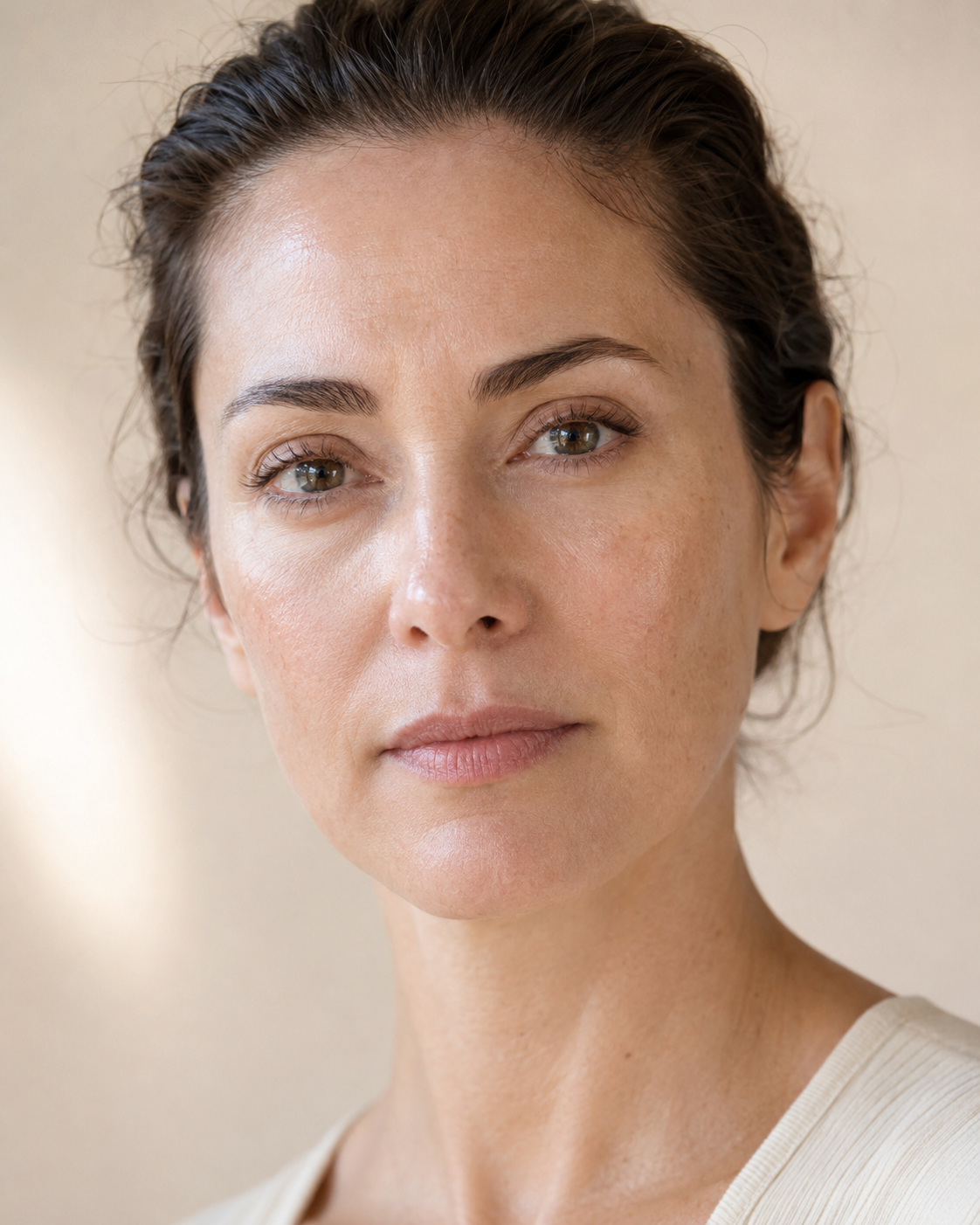
This woman does not exist.
The standard of beauty is about to become even more unattainable.
We are no longer only comparing ourselves to filtered photographs.
We are about to be sold products by women who have never existed.
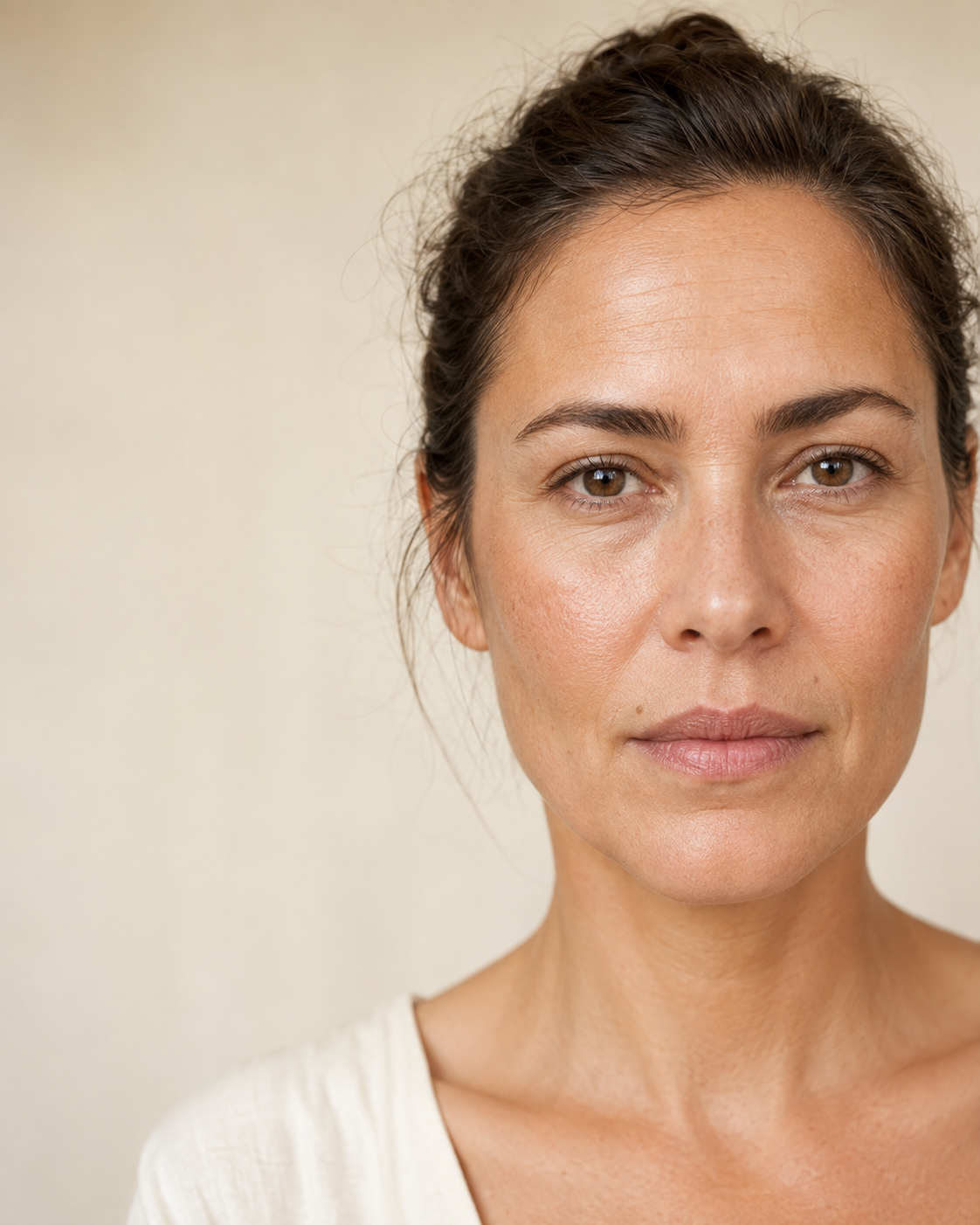
And they won’t always look obviously perfect.
They will have pores.
Fine lines.
Uneven skin.
A little vulnerability.
Just enough “imperfection” to make them feel real.
Meanwhile, women are left comparing their living, changing, human bodies…
to images designed by data, refined by algorithms and produced to sell at scale.
That is not beauty inspiration.
That is engineered insecurity.
And the machine never gets tired.
It can create ten, twenty or fifty variations of the same advertisement in a day— testing which face, fear, insecurity or promise makes us most likely to buy.
That is what makes this next era of beauty marketing so dangerous.
AI will not only manufacture perfection.
It will manufacture relatability.
A face can appear to have a concern.
A product can appear to solve it.
Our power is our autonomy.
We cannot allow an industry to invent the insecurity, manufacture the woman, simulate the result—and then sell us the supposed cure.
We must learn to ask.
To be more discerning more than ever. Gone are the days of obvious generated AI, we now have the ones that actually look like us.
A testimonial can sound deeply personal.
And none of it has to come from a real woman, real skin or a real result.
Now more than ever, women need to protect women. Our insecurity has been profited for far too long.
So what do we do?
Share what is real.
Question what looks convincing.
Stop treating normal skin as a problem to be corrected.
Women have cared for their skin for generations before us using ingredients and practices that works.
Your face is allowed to look like it has lived.
And no advertisement—human or artificial—should convince you otherwise.