
EADV Congress 2026
What viral skincare videos leave out: findings from EADV congress 2026

A skincare routine can look convincing on screen. Beautiful skin, carefully ordered steps, someone confidently explaining what each product does.
But how much of that advice is accurate—and how much tells us whether it suits our own skin?
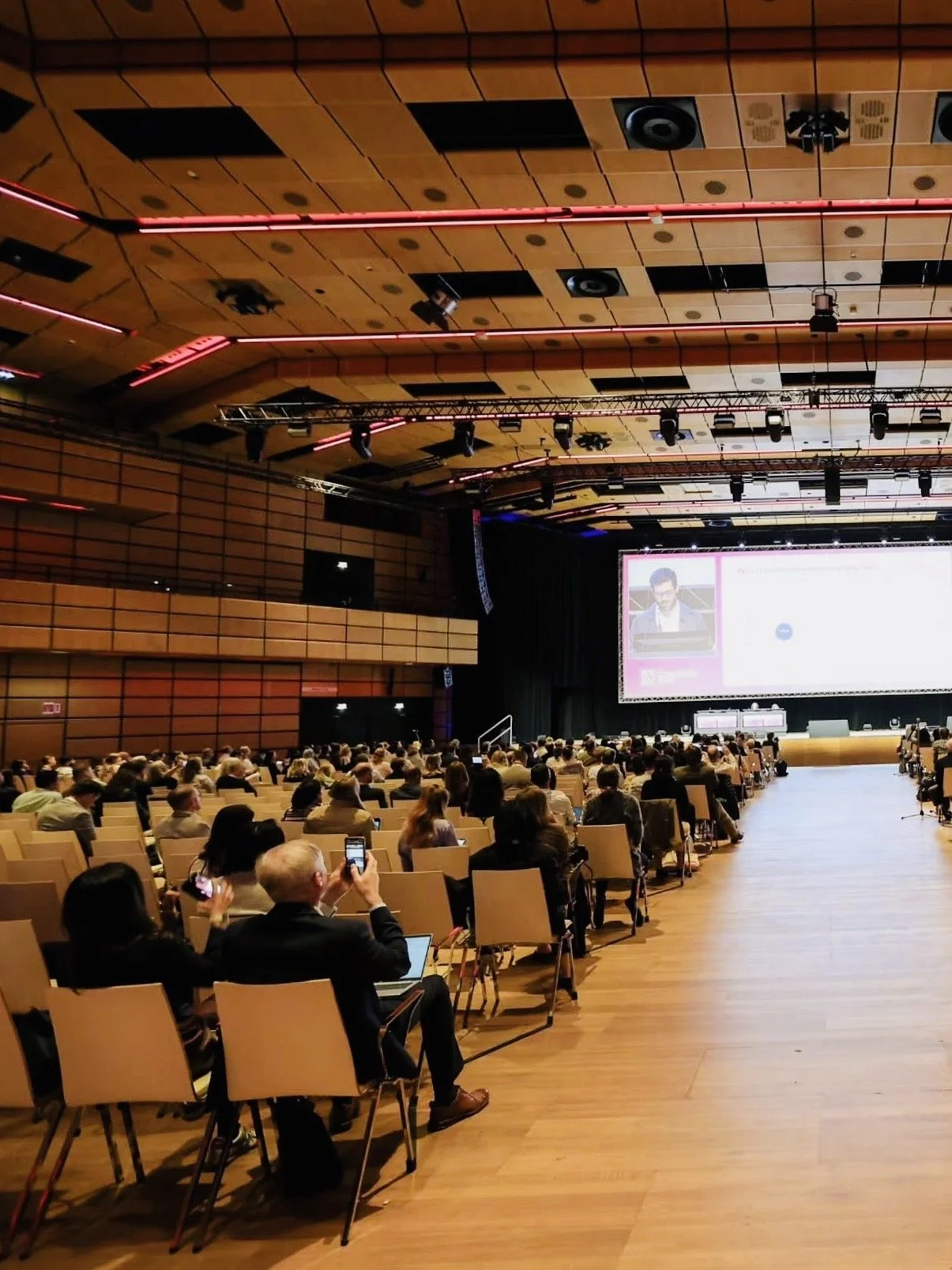
Two studies presented at the European Academy of Dermatology and Venereology (EADV) Congress 2026 in Vienna bring those questions into focus.
The first study: 38 videos, almost 95% with misleading claims
Researchers screened popular videos across five Korean skincare-related search terms in May 2026, using an account with no previous engagement history to reduce algorithmic bias. After exclusions, they assessed 38 videos for claims, safety information, quality and reliability.
Their findings:
Almost 95% contained at least one potentially misleading claim.
84% failed to account for different skin types.
45% promoted excessive combinations of active ingredients without appropriate safety guidance.
32% promised instant results.
Only one video mentioned irritation risk, two addressed sun protection, and none discussed contact dermatitis. None was produced by a dermatologist or cited external references.
The missing information matters. Knowing the order in which to apply products is only part of understanding a routine. We also need to know whether those products suit us, how to introduce them and when to stop.

The second study: what happened among affected patients
A separate observational study examined 94 patients who developed new or worsening skin conditions after using products promoted on social media.
48% had adopted a complete routine inspired by social media, while 63% were using more than three active ingredients simultaneously.
The products most frequently implicated were:
Product categoryPercentage of casesAHA or BHA chemical exfoliants34%Over-the-counter retinoids27%Vitamin C serums14%Niacinamide-containing products11%
Reported reactions included irritant contact dermatitis (42%), acne onset or worsening (28%), rosacea flares or rosacea-like dermatitis (12%), post-inflammatory hyperpigmentation (11%) and superficial chemical burns (7%).
What the findings can—and cannot—tell us
These are congress findings. The video sample was small, and the patient study selected people who already had problems. It cannot establish how often reactions occur among all users or prove that social media advice caused them. The researchers also explicitly distinguished Korean skincare from misleading advice about it.
So the percentages deserve attention, but they need their context. They shouldn’t become another confident headline asking us to dismiss an entire category of skincare.
Our perspective at My Little White Space
What concerns us is how easily a confident explanation can become a purchasing decision.
We see someone demonstrate a routine, describe the benefits and show beautiful results. Before long, we’re adding another product without being able to explain what we need it for—or how it fits with everything we already use.
There should be room to ask questions before buying.
What does this product do? What supports the claim? Who is it suitable for? What instructions or precautions come with it? Does the person recommending it explain its limitations as clearly as its benefits?
Those questions apply to us, too.
We choose to work with botanicals, and we love exploring the ingredients and traditions behind them. That choice comes with a responsibility to explain our products carefully. “Natural,” “traditional” and “botanical” should never replace clear information or become promises that something will suit everyone.
We want people to feel informed when they choose a product—and comfortable deciding they don’t need another one.
For us, accessible self-care includes being able to understand what you’re using. It includes realistic expectations, practical directions and a routine you can comfortably maintain.
The conversation these studies open is worth having: how much do we understand about the skincare routines we follow?
Have you ever bought a product because the recommendation sounded convincing, then realised you weren’t sure why you were using it?
Source: EADV’s official press release, published 30 September 2026, covering “Glass Skin or Barrier Breakdown? Evaluating the Quality and Safety of Viral Korean Skincare Routines on TikTok” and “When skincare trends go wrong: Dermatologic complications of viral social media products.”