
The New Social Faux Pas: Why the "always-on" lifestyle has lost its charm
We’ve all had that moment: You sit down for "five minutes" of scrolling, and suddenly an hour has vanished. Neck is stiff, eyes are dry, and strangely, you feel more tired than when you started.
Some say it’s lack of willpower - but really it’s what happens when our "tactile intelligence"—the way our brains and hands work together—is traded for a glass screen. Being "chronically online" is more than a habit; it’s a physiological state that changes how we feel and think. According to new studies, there is growing cultural shift where being "always on" is starting to look less like being "informed" and more like being a passenger to an algorithm.
For the sophisticated, this lends making us less interesting, to becoming embarrassing even, yikes!
The Science: Why "Digital Grazing" Drains Us

When we scroll, we aren't actually engaging with the world; we are "renting out" our attention to algorithms designed to keep us reactive. The mental health costs are backed by significant research:
The Dopamine Loop: Constant notifications and short-form videos trigger rapid task-switching. Studies in Frontiers in Psychology show this fragments our attention, making "deep work" feel nearly impossible.
The Comparison Trap: Large-scale longitudinal studies have linked heavy social media use to increased anxiety and depression. We are constantly comparing our internal "mess" to everyone else’s polished "highlight reel."
The Blue Light Tax: It’s not just in your head—it’s in your hormones. Research summarized by JAMA and the National Sleep Foundation confirms that evening screen use disrupts circadian rhythms, stripping us of the restorative sleep we need to manage stress.
The Antidote: Tactile Intelligence
The most fascinating part of the research isn't just that screens are tiring—it’s that working with our hands is healing.When we use our fingers to scroll, we use a tiny fraction of our motor skills. But when we create, repair, or garden, we engage in "rich sensorimotor feedback."
Did you know? Clinical trials on "mindful craft" (like pottery, knitting, or woodworking) show measurable reductions in cortisol. Unlike the "flat" experience of a screen, manual activities require planning and error correction, which strengthens our executive function and helps us reach a "flow state."
Here at MYLITTLEWHITESPACE, whether it’s onboarding self-care tools that encourage the slow art of handwriting, curated crafts, or making your own 'kitchen skincare,' I’ve made sure our shop do not loose our touch for tactile living. Growing up in a generation that valued manual work—and being raised under the wing of a meticulous grandmother—I learned early on that the most enjoyable things in life are built by hand.
How to Reclaim Your Afternoon
You don't have to go off the grid to feel better. It’s about building small, "analog" pockets in your digital day.
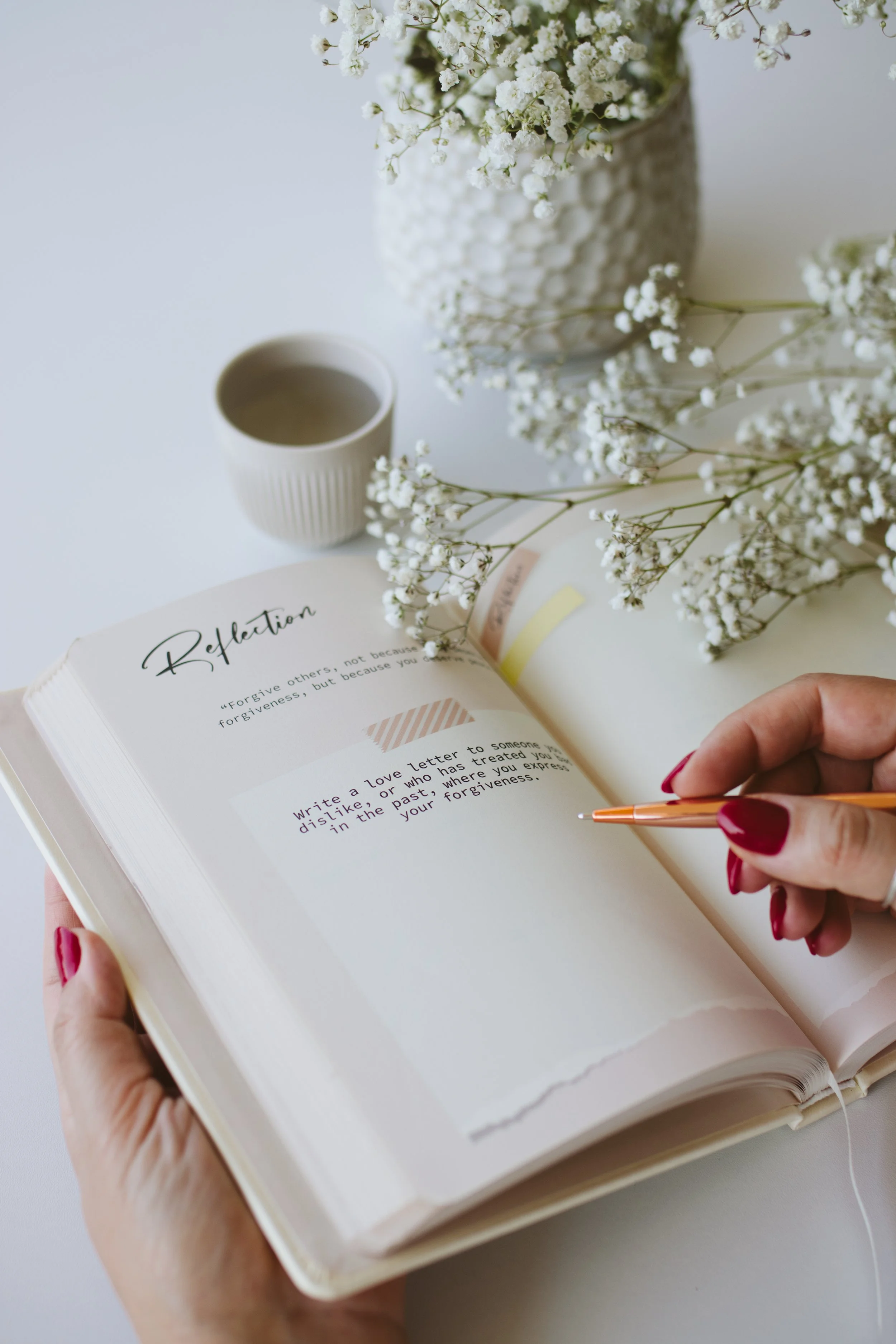
Trade the Thumb for the Tool: Next time you feel the urge to scroll, spend 10 minutes on a tactile task. Sketch in a notebook, knead some dough, or pot a plant. Feel the textures and weights—this builds "embodied awareness" that a screen simply can't provide.
Create a "Sunset" for Your Devices: Following Harvard Medical School guidelines, try to put the phone away an hour before bed. Replace the scroll with a physical book or a journaling prompt.
Practice "Gentle Focus": Hands-on hobbies train your brain to stay with one task from start to finish. This rebuilds the attention span that "digital grazing" tends to erode.
Moving Forward
If we don’t change our habits, we risk losing more than just time; we risk losing our capacity for deep reflection and emotional resilience.
But there is good news: your brain is incredibly plastic. Every time you choose a physical hobby over a digital feed, you are rewiring yourself for a calmer, more focused life.
Let’s start today. What is one thing you can make, fix, or grow with your hands this week?
Sources & Further Reading:
American Psychological Association (APA): Reports on "Stress in America" and digital habits.
The Lancet: Research on the intersection of sleep disorders and population mental health.
Journal of the American Medical Association (JAMA): Studies on blue light and emotional regulation.
Frontiers in Psychology: Experimental research on media multitasking and cognitive fatigue.